
"Ethiopian coffee culture"
1000 article(s) found

Arabica coffee originates from Ethiopian coffee.
Ethiopia is a coffee-producing country with many legends, numerous varieties, rich orange fragrance and many fresh things, and there is no second country in the world that can compete with it. Ethiopia's long coffee history and cultural scenery have attracted a large number of explorers, archaeologists, botanists, anthropologists and writers to Fangze. The sleeping lion of Africa suddenly woke up after the millennium and burst into bursts.
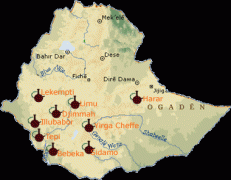
Ethiopia washed Sidamo G1 Shakiso shakisso boutique coffee beans: a brief introduction to the origin, development, history and culture
[factory introduction] Shakisso/Shakiso is located in the Guji producing area of Sidamo, in the south of Oromia, close to Sidama and Gedeo. There are many pits in this area, which were used to mine gold in the early days, so there are many potholes in this coffee growing area. This makes people dangerous when walking between coffee growing areas. Xia Qi Soze

Ethiopian coffee producing area, Ethiopian coffee introduction
Following Kaiping (Wechat official account vdailycom) found that Beautiful Cafe opened a small shop of its own. There are more than 140 varieties of coffee in Ethiopia in East Africa, which means the land inhabited by sun-tanned people in ancient Greek. Ethiopia's unique cultural tradition, spectacular scenery, pleasant climate, rich animal and plant resources, and important places of interest

Roasting of raw beans in Ethiopian coffee
Following caf é comments (Wechat official account vdailycom) found that Beautiful Cafe opened a small shop of its own Ethiopia: the place where coffee was born Ethiopia is recognized as the birthplace of coffee and the birthplace of all kinds of coffee we taste today, it plays an important role in the history of coffee development. With respect and admiration for the birthplace of coffee, Starbucks

How about Starbucks Ethiopian food? Starbucks launches Ethiopian moderately roasted coffee
Yega Xuefei is a small town in Ethiopia, 1700-2100 meters above sea level. It is located in the northwest of Sidamo Province. It is one of the highest coffee producing areas in Ethiopia and is synonymous with Ethiopian boutique coffee. Strictly speaking, Yega Xuefei is a by-product area of Ethiopia's Sidamo producing area (Sidamo), which is independent because of its special flavor.

Ethiopian Coffee Shachisaw Flavor Description Brand Recommendations Taste Introduction
Ethiopian Coffee Shakiso Region Flavor Description Brand Recommendations Taste Introduction Outstanding Central American origin, two brands located on both sides of the mountain range, showing a very different style. El Cielito's Csar Fernandez coffee has fruity aromas of cranberries, raisins and apricots, while San Luis Plane's Mariano Mejas coffee is more green and red.

Arabica coffee originated from the common sense of Ethiopian coffee.
Ethiopia is a coffee-producing country with many legends, numerous varieties, rich orange fragrance and many fresh things, and there is no second country in the world that can compete with it. Ethiopia's long coffee history and cultural scenery have attracted a large number of explorers, archaeologists, botanists, anthropologists and writers to Fangze. The sleeping lion of Africa suddenly woke up after the millennium and burst into bursts.

Africa's most famous Kocher estate boutique coffee beans origin and development history and culture brief introduction
These mountain villages are foggy, spring all year round, cool but not hot in summer, rain but not damp in winter, and they breed unique regional flavors of citrus and flowers. Coffee trees are grown mostly in farmers 'backyards or mixed with other crops in their fields. Let's start with Ethiopia. Around the sixth century AD, there was an Arab shepherd.

Description of flavor and taste of Ethiopian Harald coffee beans? How to rush Ethiopian mocha by hand
Professional coffee knowledge exchange more coffee bean information please follow the coffee workshop (Wechat official account cafe_style) Ethiopia Harald coffee bean flavor and taste description? How to make Ethiopian mocha Haral coffee by hand? After panning, the Harrar raw beans have a faint floral flavor. The producing area of Hrrar is located in Har in eastern Ethiopia.

What are the well-known Ethiopian boutique coffee producing areas?
World-famous boutique coffee beans, such as Yejiaxefi, Sidamo and ancient books, all come from Ethiopia, the birthplace of coffee. Ethiopia, which has a long coffee culture, is also recognized as one of the major coffee producers in the world. because of the advantages of vast hinterland, multiple producing areas, and unique microclimate, coffee is also very rich and diversified in flavor, and it is a famous variety of high-quality coffee beans.

Description of Ethiopian Coffee Flavor with Jasmine Flavor introduction to Fine Coffee Bean Manor
Local aborigines often grind the fruit of the coffee tree and knead it with animal fat to make many ball-shaped balls. These indigenous tribes use these coffee balls as precious food for soldiers who are about to go out to battle. It was not until around the 11th century that people began to use boiled coffee as a drink. In the 13th century, Ethiopian troops invaded Yemen

Introduction to the quality characteristics of the method of describing the Flavor of Ethiopian Yega Xuefei washed G1 Coffee
Ethiopian coffee washing technology Yejaschefine itself is a small town with a population of about 20,000. Because the taste of coffee produced by Wenago, Kochere and Gelena Abaya is similar to that of Yejasuffe, it is similarly classified into the regional category of Yejasuffe. Yejasuffe is similar to Sidamo in both cultural and geographical environment.

An introduction to the estates of Ethiopian coffee-producing areas with the natural conditions for growing coffee
Sustainable coffee culture Ethiopian coffee beans grow in close to the natural environment, after years of planting under the same growth conditions, Ethiopian coffee beans have gradually adapted to the environment here. More than 60% of coffee beans are grown in forests or semi-forests. The villages that grow coffee in large areas account for about the total amount of coffee produced in the country.

Ethiopian Yega Sheffivoka Coffee Flavor description introduction to the taste of fine coffee beans in the producing area
Located in the most advantaged natural conditions, Ethiopia produces unique high-quality coffee every year. Ethiopia's coffee growing cycle brings the joy of harvest to the country every year. Beautiful white coffee flowers will bloom and bear fruit every year from March to April. Only the reddest and ripe fruits will be selected between September and December.

Various styles of coffee in the world show a foreign culture.
Shenzhen Special Economic Zone News, Guangzhou, December 7 (Reporter Li Ming) A few days ago, the rich Turkish coffee culture, Ethiopian coffee with African characteristics, and Italian coffee with attention to details were prepared a few days ago. the prelude to the 2014 Guangzhou Coffee Expo was held in a strong coffee flavor. The exhibition, scheduled to open in Guangzhou from December 11 to 14, will attract the world's top coffee.

Flavor description of Ethiopian Coffee Manor Variety characteristics introduction of Fine Coffee beans in producing areas
A large amount of coffee production (95%) is done by small shareholders, with an average yield of 561 kg per hectare. For centuries, minority holders of Ethiopian coffee farms have been producing a variety of high-quality types of coffee. The secret of producing high-quality coffee is that coffee growers have developed environmental conditions through generations of repeated learning about the coffee planting process.

Introduction to the planting environment of high-quality Ethiopian boutique coffee bean manor
March 1988, rebel activities of the Eritrean people's Liberation Front (EPLF) and Tigre people's Liberation Front (TPLF) launched an attack on government forces, a large-scale civil war broke out. In 1989, the Eritrean people's Liberation Front occupied most of Eritrea's province. On May 28, 1991, EGF troops, mainly from the people's Liberation Front of Tigre, entered Addis Ababa, Menges.
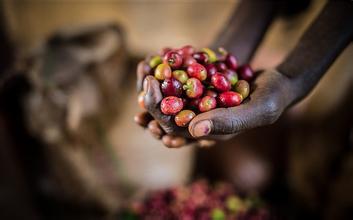
The reason for coffee beans: Arabica coffee originated from the ancestor of Ethiopian single coffee.
Ethiopia is a coffee-producing country with many legends, numerous varieties, rich orange fragrance and many fresh things, and there is no second country in the world that can compete with it. Ethiopia's long coffee history and cultural scenery have attracted a large number of explorers, archaeologists, botanists, anthropologists and writers to Fangze. The sleeping lion of Africa suddenly woke up after the millennium and burst into bursts.

The Development of Ethiopian Coffee beans in the course of Coffee Harald Coffee
Harar Harald, a name that reflects the rise and fall of Ethiopia. The Montenegro region of Harald is by far the only place in the world with wild coffee, which is auctioned in London every year. The secret of producing high-quality coffee is that coffee farmers have developed a coffee culture in a suitable environment through repeated learning of the coffee planting process for several generations.

The oldest coffee culture in Ethiopia
Essex is the first country in the world to grow coffee and maintain the oldest coffee culture. It still maintains a very traditional and ancient coffee growing process.